

Once you've decided to embrace the benefits of glass partitions, the next critical decision is selecting the right system. The choice between a framed and a frameless system is the primary consideration, as it fundamentally impacts the space's aesthetics, acoustics, and structural feel.

The Frameless System: The Essence of Minimalism
For those seeking the ultimate in clean lines and transparency, the frameless glass partition is the definitive choice. This system uses minimal top and bottom channels and discreet silicone joints between panels to create the illusion of a single, uninterrupted pane of glass. It is the perfect solution for modern, high-end offices, retail spaces, and conference rooms where the goal is to maximize light and maintain a feeling of open-plan spaciousness while still providing a physical division.
The Framed System: A Statement of Style and Strength
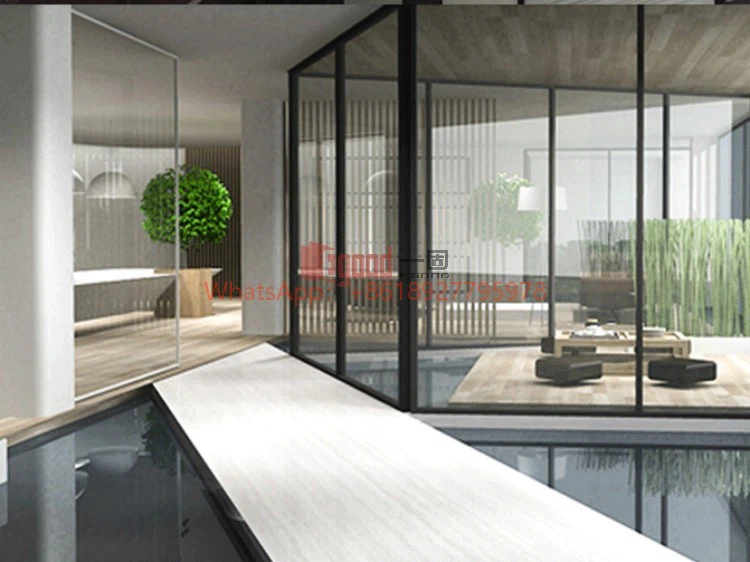
Framed glass partitions offer a distinct aesthetic and enhanced performance characteristics. Typically using aluminum or steel frames, these systems can make a bold design statement. Black frames, for example, are a hallmark of the popular industrial and loft styles, adding character and definition to a space. Beyond style, the frame provides increased structural rigidity and can offer superior acoustic performance, as the frame itself helps to create a more robust seal. This makes framed systems an excellent choice for environments requiring higher levels of sound insulation.
Operable Glass Walls: The Ultimate in Flexibility
For spaces that demand true versatility, operable glass walls-both sliding and folding-offer the best of both worlds. They provide the transparency and elegance of a fixed glass wall but can be retracted completely to open up a space for large meetings or events.
The right choice depends entirely on your project's goals. Prioritize seamless aesthetics? Go frameless. Need enhanced acoustics and a bold design? A framed system is your answer.