

Movable walls are a flexible space solution used in offices, hotel, meeting room, banquet halls and various other settings. Choosing the right materials is crucial for meeting spatial needs and aesthetic preferences. Here are some common materials used for movable walls:
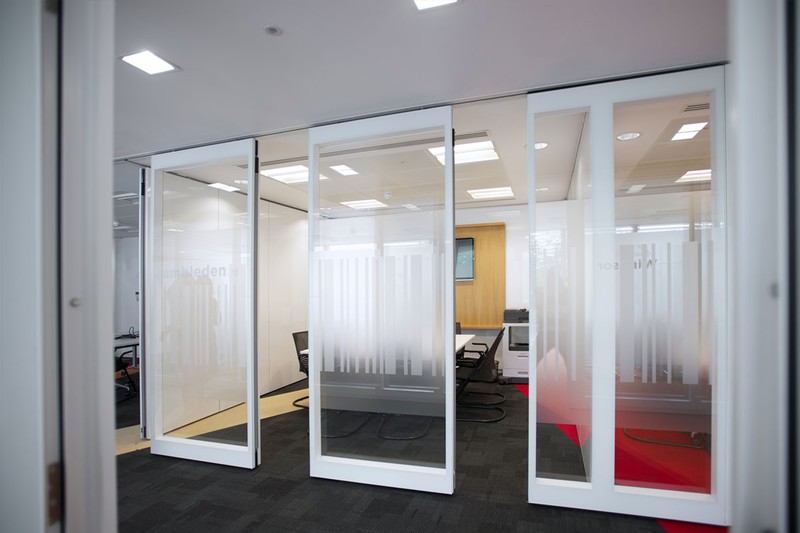
1. Glass
Types: Clear, frosted, tinted, laminated, tempered.
Advantages:
· Modern and stylish appearance
· Allows natural light to pass through
· Provides effective sound insulation
· Frosted or tinted options for privacy
2. Wood
Types: Solid wood, plywood, medium-density fiberboard (MDF).
Advantages:
· Natural beauty and warmth
· Can be stained or painted for customization
· Good acoustic properties
· High durability
3. Composite Materials
Types: Metal, plastic, wood fiber combinations.
Advantages:
· Versatility, mimicking wood, stone, etc.
· Excellent durability
· Cost-effective
· Lightweight and easy to install
4. Acoustic Panels
Types: Foam, fabric, perforated materials.
Advantages:
· Excellent noise reduction
· Variety of colors and textures
· Creates quiet and private areas in large spaces

How to Choose Materials
Consider the following when choosing materials:
· Purpose: Is the main function soundproofing, aesthetics, or privacy?
· Environment: The setting influences material choice.
· Budget: Balance cost with performance.
· Maintenance: Choose materials that match your maintenance capabilities.
Movable walls come in a variety of materials to suit different needs. Glass, wood, composite materials, and acoustic panels each offer unique benefits. Understanding their characteristics helps you make the best choice, enhancing both the functionality and aesthetics of your space.